
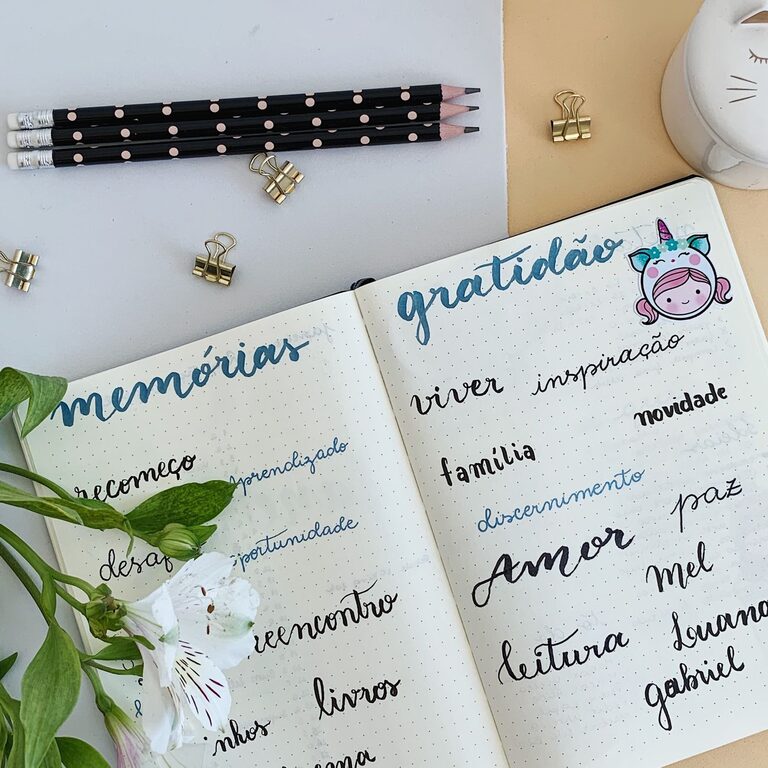
Starting a gratitude journal is an easy and effective way to cultivate positivity and improve your overall well-being. By dedicating just a few minutes each day to write down what you’re thankful for, you can shift your focus from stress and negativity to appreciation and joy. This simple practice has been shown to reduce anxiety, improve sleep, and increase happiness.
If you’re interested in creating your own gratitude journal but don’t know where to begin, this guide walks you through everything you need to get started.
What Is a Gratitude Journal?
A gratitude journal is a personal record where you regularly write down things you’re thankful for. These can be big or small moments, people, experiences, or anything that brings a sense of appreciation. Unlike regular journaling, which often focuses on processing thoughts or emotions, gratitude journaling zeroes in on positive aspects of your life.
Benefits of Keeping a Gratitude Journal
Before diving into how to start, here are a few reasons why gratitude journals are worth the effort:
– Boost your mood: Reflecting on good things helps release feel-good hormones like serotonin and dopamine.
– Reduce stress: Focusing on positive moments lowers cortisol, the stress hormone.
– Improve relationships: Expressing gratitude encourages kindness and strengthens social bonds.
– Enhance mindfulness: Taking time to notice the good helps you live more in the present moment.
– Encourage optimism: Regular gratitude makes you more likely to see opportunities instead of obstacles.
How to Start Your Gratitude Journal
1. Choose Your Journal Format
Your gratitude journal can be as simple or fancy as you like. Some options include:
– A physical notebook dedicated only to gratitude entries
– A section in a daily planner or diary
– A digital app designed for journaling or note-taking
– A document on your phone or computer for easy access
Choose whatever feels comfortable and convenient for you. The most important thing is consistency.
2. Set Aside a Specific Time Daily
Pick a time of day when you’ll write in your journal regularly. Many people prefer mornings to start the day positively, while others like evenings to reflect before bed. Consistency in timing helps turn journaling into a habit.
3. Start Small and Be Specific
Begin with just 3 to 5 things each day that you are grateful for. They don’t have to be monumental moments—sometimes the smallest things count most. Examples:
– “I’m grateful for the warm cup of coffee I enjoyed this morning.”
– “I appreciate my friend who called to check in on me.”
– “I’m thankful for the sunny weather today.”
Being specific helps you truly notice and savor these moments instead of writing generic statements.
4. Describe Why You’re Grateful
Adding a sentence or two about why you feel grateful deepens the experience. This reflection enhances your emotional connection to the positive event or person.
Example:
Instead of just “I’m grateful for my pet,” try “I’m grateful for my pet because their playful energy cheers me up after a long day.”
5. Use Prompts if You’re Stuck
Some days, it may be hard to think of things to write. Using prompts can help, such as:
– What made you smile today?
– What’s a strength you’re thankful to have?
– Who is someone that positively impacted your life recently?
– What’s a simple pleasure you enjoyed today?
6. Include Gratitude for Challenges
It might feel counterintuitive, but sometimes being thankful for difficulties can encourage growth. You might write about lessons learned or ways a challenge made you stronger.
Example: “I’m grateful for the tough project at work because it pushed me to develop new skills.”
7. Make It Creative
Feel free to add drawings, photos, or quotes that inspire you. This can make journaling more enjoyable and personalize your gratitude practice.
8. Review Your Journal Regularly
Every few weeks or months, look back at your journal entries. This can boost motivation and remind you of all the good things in life, especially during tough times.
Tips for Maintaining Your Gratitude Journal
– Keep it simple: Don’t pressure yourself to write perfect entries. The goal is genuine appreciation.
– Be honest: Write what truly feels meaningful to you.
– Stay patient: Benefits often build gradually with regular practice.
– Make it enjoyable: Choose a cozy spot or play soft music if that helps you relax.
– Combine with other habits: Pair journaling with meditation, deep breathing, or a morning routine for added impact.
Conclusion
Starting a gratitude journal is a small but powerful step toward living a more positive and mindful life. By regularly acknowledging the things you appreciate, you nurture happiness and resilience. Whether you write 3 things or 10, in a notebook or an app, the key is to make gratitude a daily habit. Give yourself the gift of this uplifting practice today—you might be surprised at the difference it makes.
Happy journaling!
About the Author