
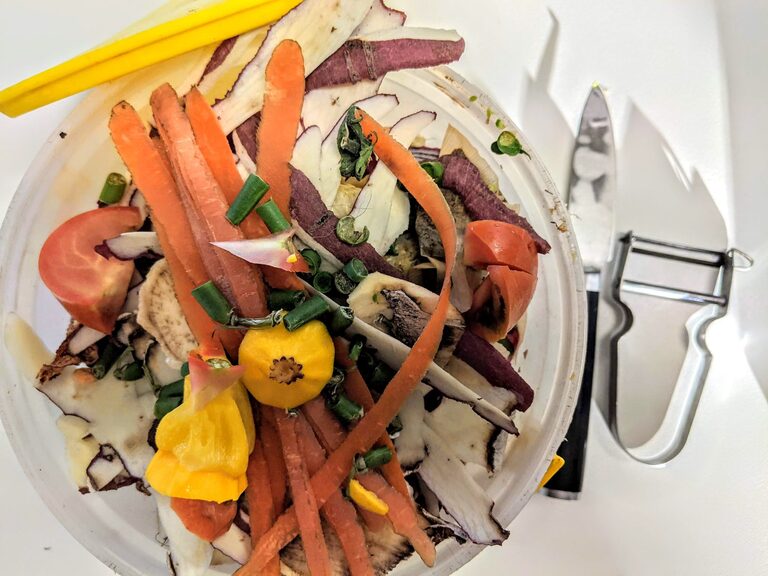
Reducing food waste at home is a simple yet impactful way to save money and protect the environment. Each year, millions of tons of food end up in landfills, contributing to greenhouse gas emissions and wasting valuable resources. By adopting a few mindful habits, you can cut down on food waste and make your kitchen more efficient. This post explores practical and easy strategies to reduce food waste right where you live.
Why Reducing Food Waste Matters
Before diving into the tips, it’s helpful to understand why reducing food waste is important:
– Environmental impact: Wasted food contributes to methane emissions in landfills.
– Conservation: Growing, transporting, and processing food consumes water, energy, and labor.
– Economic savings: Buying less food and using what you have cuts grocery bills.
– Resource efficiency: Using food fully respects the effort behind its production.
Now, let’s explore how to put this knowledge into action.
Plan Your Meals Thoughtfully
Make a Weekly Meal Plan
Planning meals in advance helps you know exactly what ingredients you need. This prevents impulse buys and excess food that might spoil before use. Consider making a simple meal calendar based on your schedule and preferences.
Create a Detailed Shopping List
Once your meals are planned, write a precise shopping list. Check your pantry and fridge first to avoid duplicates. Stick to the list during shopping to reduce unnecessary purchases.
Shop Smartly and Mindfully
Buy Only What You Can Use
Try to purchase fresh items in quantities you can consume before they spoil. If you rarely finish a whole bunch of herbs or a large pack of berries, opt for smaller sizes or buy loose items.
Choose Imperfect Produce
Many fruits and vegetables that look less than perfect are still nutritious and tasty. Buying “ugly” produce supports reducing waste at the source and often costs less.
Store Food Properly
Use Clear Containers
Transfer leftovers and prepped ingredients into transparent storage containers. This keeps food visible and encourages you to use it before it expires.
Understand Storage Guidelines
Some foods last longer when stored in specific ways. For example, keep potatoes in a cool, dark place, not the fridge. Store apples separately from other fruits to slow ripening.
Label and Date Your Food
Write the date on containers or packaging when storing food. This helps track freshness and prioritize older items for meals.
Use Leftovers Creatively
Reinvent Leftovers
Repurpose cooked vegetables, grains, and proteins into soups, casseroles, stir-fries, or salads. This keeps meals interesting and minimizes waste.
Freeze Extra Portions
If you cook in bulk, freeze individual servings. Frozen food can last for months, giving you time to enjoy it later without spoilage.
Practice Portion Control
Serve Smaller Amounts
Start with reasonable portions on your plate. You can always go back for seconds if hungry, reducing uneaten food left behind.
Understand Your Family’s Appetite
Adjust your cooking quantities based on typical consumption. Avoid cooking more than what your household usually eats.
Deal with Food Scraps Wisely
Compost Organic Waste
Instead of throwing food scraps in the trash, consider composting them. Compost enriches your garden soil and reduces landfill waste.
Use Vegetable Peels and Stems
Some scraps like carrot tops or broccoli stems can be used to make flavorful broths or added to dishes.
Monitor and Improve Over Time
Keep a Food Waste Journal
Track what you throw away to identify patterns or frequently wasted items. This awareness helps you adjust buying habits and recipes.
Involve the Whole Household
Encourage family members or roommates to participate in waste reduction efforts. Share knowledge and create a waste-conscious culture at home.
Final Thoughts
Reducing food waste at home is achievable with thoughtful planning, smart shopping, proper storage, and creative use of leftovers. These habits not only save money but also contribute to a healthier planet. Start small—try one or two tips at a time—and build from there. Every bit of food saved counts!
By making food waste reduction a part of your daily routine, you take a positive step toward sustainability and responsible living. Happy cooking and waste-saving!
About the Author